Eco Magazine
Latest insights, stories, and research about biochar, sustainable agriculture, and a greener future.
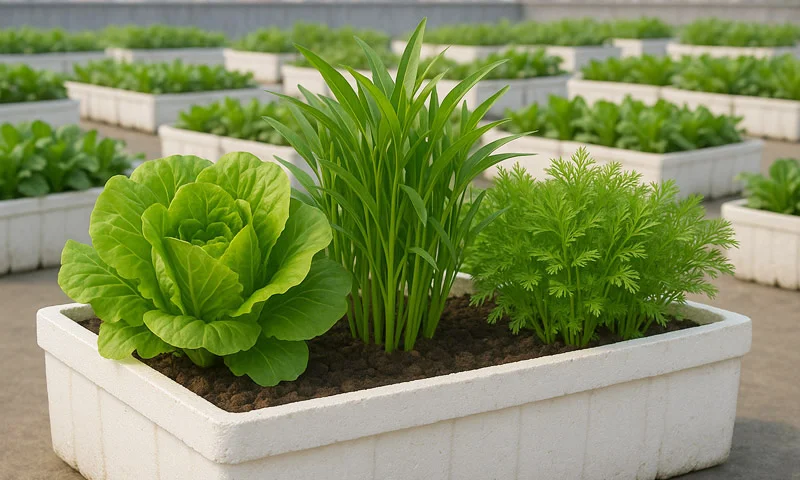
Trộn đất trồng rau với than trấu: Tỷ lệ chuẩn cho chậu và luống
Hướng dẫn tỷ lệ trộn than trấu (biochar) cho chậu, thùng xốp và luống rau: cách chọn, hoạt hóa than, liều lượng khởi điểm và những sai lầm cần tránh để đất tơi xốp, giữ ẩm tốt.
Latest articles
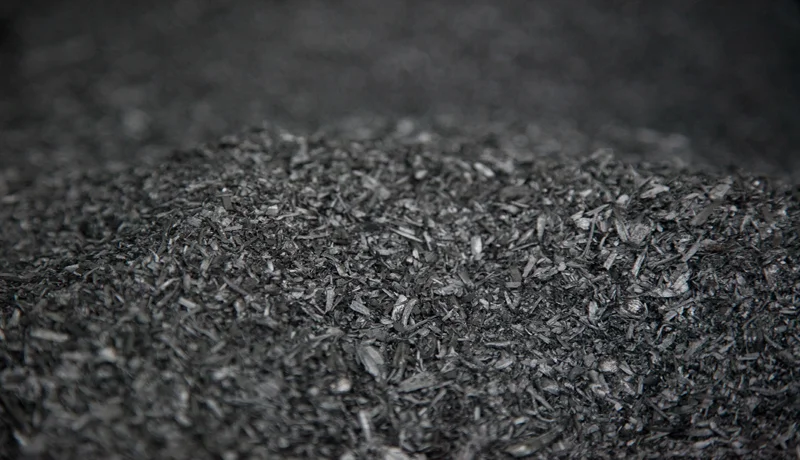
What is rice husk charcoal? Distinguishing between rice husk charcoal, rice husk ash, and raw rice husks
Rice husk biochar is a product of the anaerobic pyrolysis of rice husks, and is distinctly different from rice husk ash and raw rice husks. This article will help you distinguish between them, choose the right material, apply the correct dosage, and avoid common mistakes.
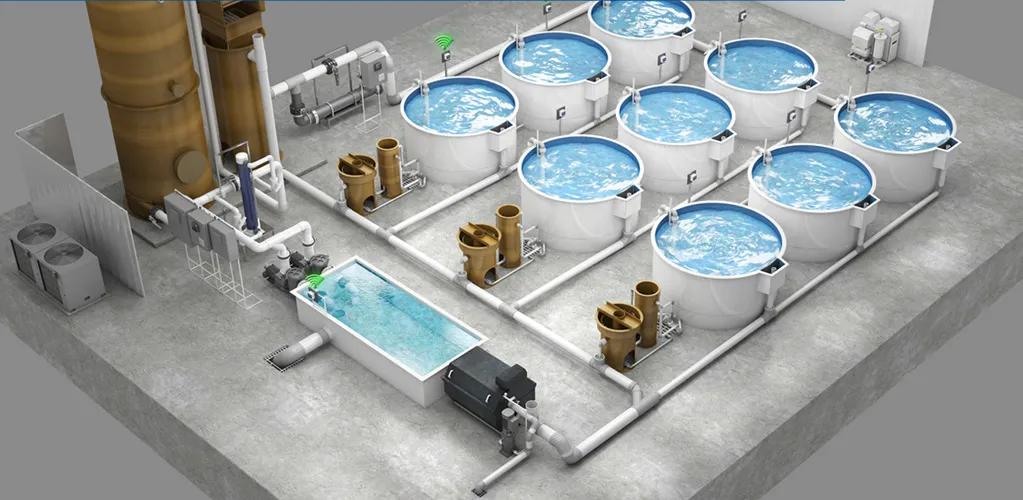
Biochar for Water Filtration in Shrimp Ponds: Mechanisms and System Design
Biochar helps filter water in shrimp ponds by adsorbing ammonia, heavy metals, and organic matter, and by serving as a growth medium for beneficial microorganisms. This article provides guidance on system setup, recommended dosages, and common mistakes to avoid.
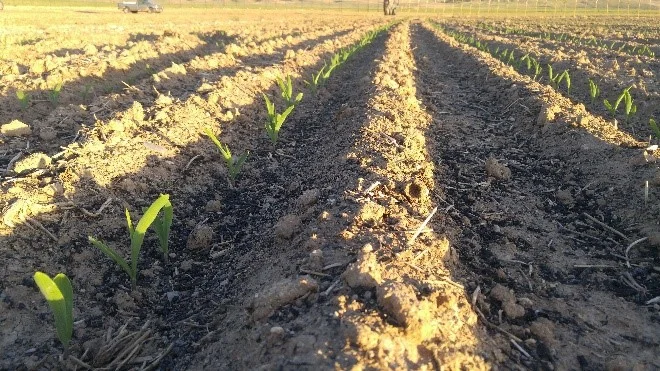
Biochar for Soil Improvement: An Effective Mechanism for Nutrient Retention
Biochar helps soil retain water and nutrients thanks to its porous structure, cation exchange capacity (CEC), and microbial interactions. This article provides guidance on selecting the right type, enriching it with nutrients, determining the application rate, and applying it safely.
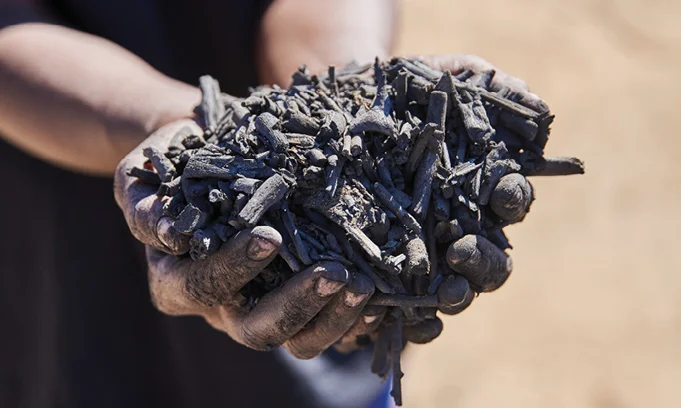
Through what mechanism does phosphorus-modified biochar adsorb heavy metals?
Phosphorus-modified biochar binds Pb, Cd, Cu, Zn, and Ni through adsorption, ion exchange, complexation, and mineral precipitation; this article provides guidance on material selection, dose testing, and safety monitoring.
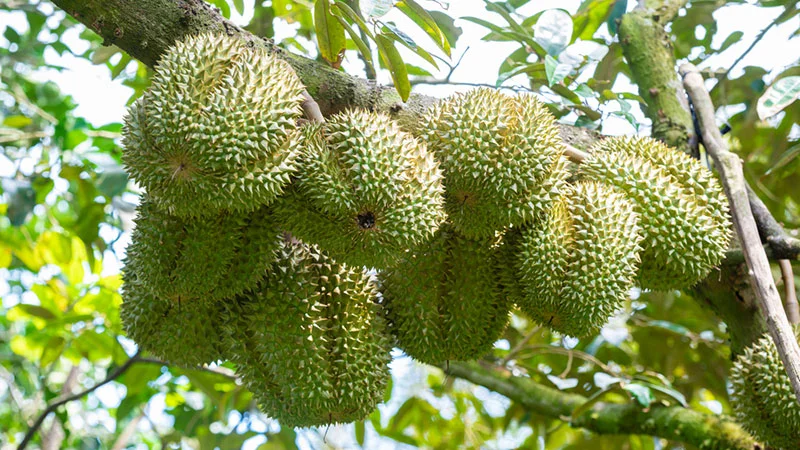
Biochar for Treating Contaminated Soil Helps Durian Trees Develop Strong Root Systems
Detailed instructions on the mechanism and dosage for using biochar to treat contaminated soil, helping durian trees restore their root systems and increase sustainable yields, along with a dosage chart based on tree age.
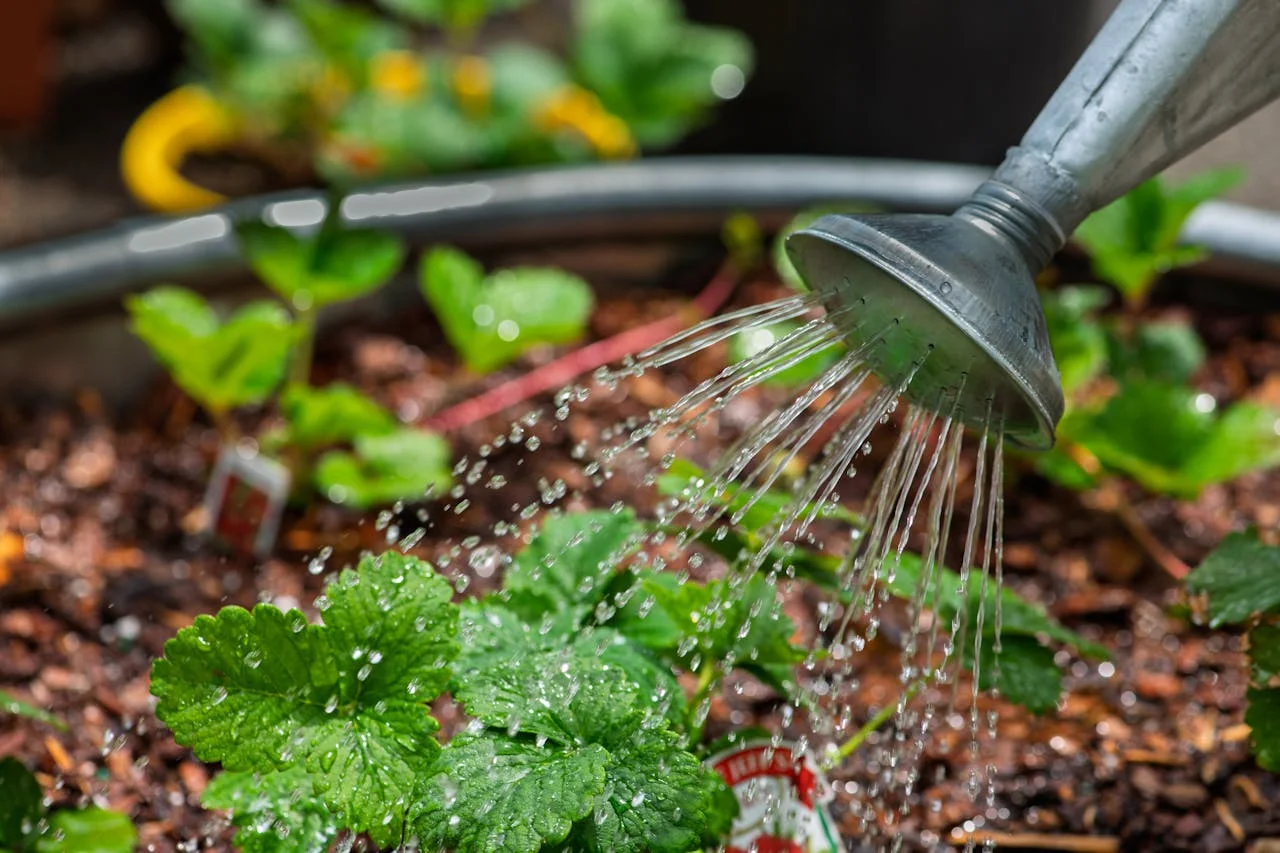
Biochar: Mechanisms for Effective Water Retention, Fertilization, and Soil pH Enhancement
Biochar not only retains moisture and raises soil pH but also helps reduce the use of chemical fertilizers by 20–30%. This article explains the scientific mechanism behind this and provides guidelines for the proper application rates for each type of crop.
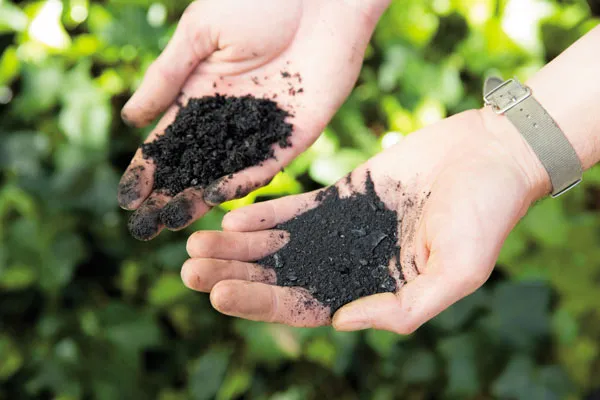
How Does Biochar Help Reduce Farming Costs? A Detailed Analysis
Biochar helps farmers reduce fertilizer use by 20–40%, conserve irrigation water, and improve soil quality over the long term. A detailed analysis of the mechanisms, application rates, and actual return on investment (ROI) for each crop type in Vietnam.
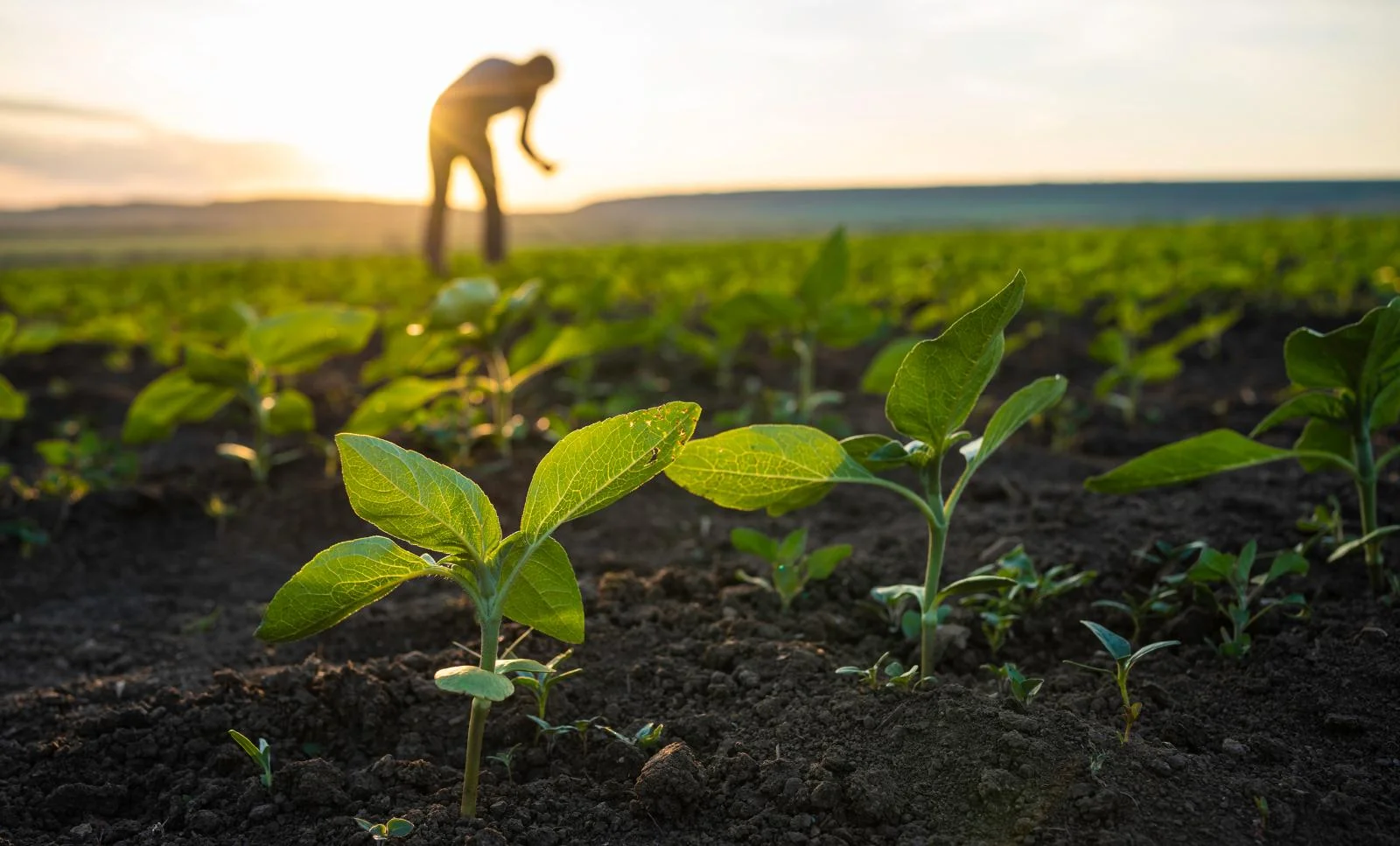
Agricultural Experiment in Vietnam: Is it feasible to reduce nitrogen fertilizer use by 30% through the application of biochar?
Can the use of biochar truly help Vietnamese farmers reduce nitrogen fertilizer use by 30% while maintaining crop yields? This article provides a comprehensive analysis of the empirical evidence, technical and economic feasibility, and the barriers that must be overcome to turn this potential into reality under Vietnamese agricultural conditions.

From Dead Soil to Living Soil: The Role of Biochar and Organic Fertilizer
Discover how to combine biochar and organic fertilizer to revitalize degraded soil, restore soil microbial communities, and sustainably increase crop yields. A detailed practical guide for Vietnamese farmers and gardeners.
Subscribe to Eco-News
Get the latest updates on sustainability, organic gardening tips, and special offers from Biochar.