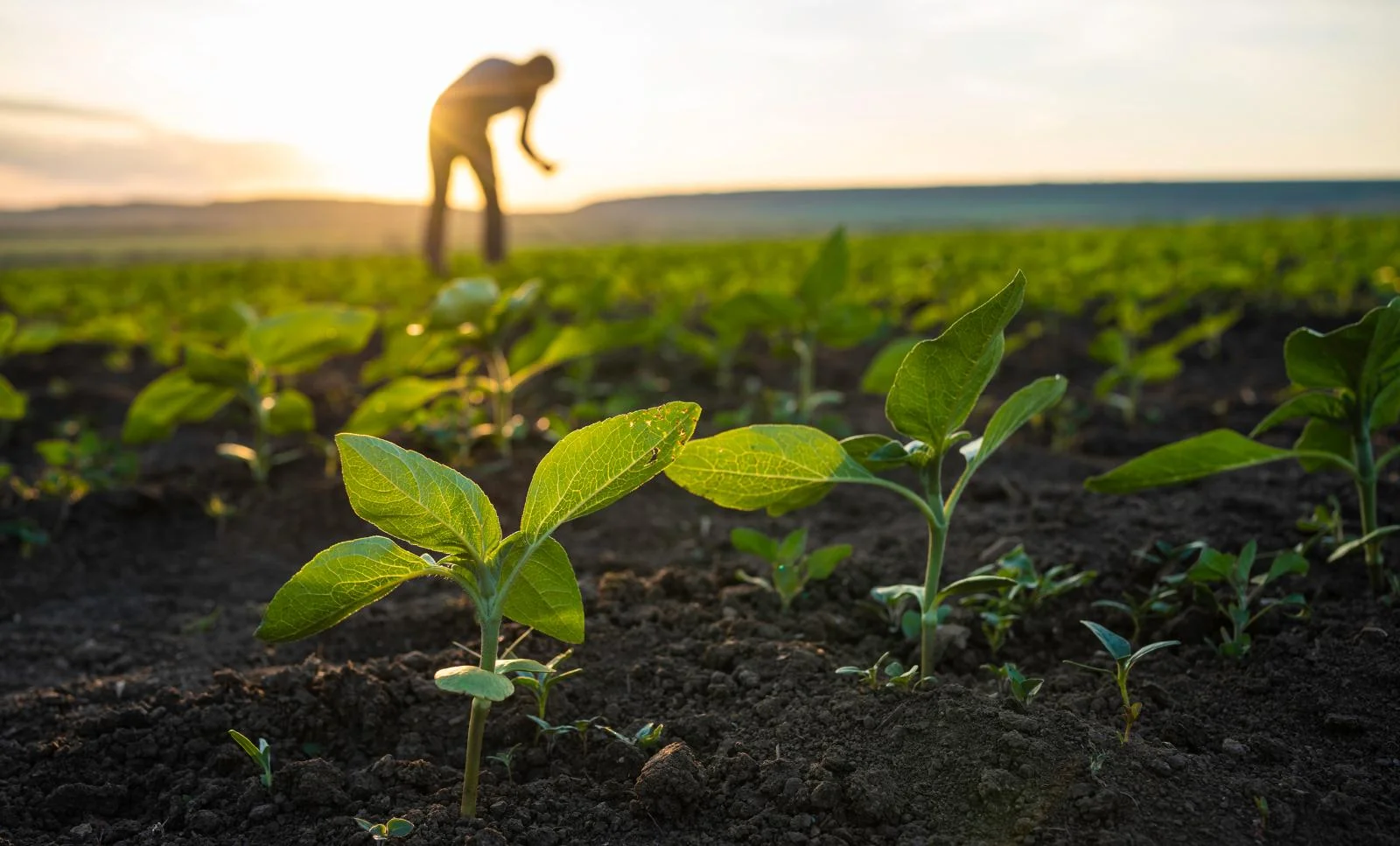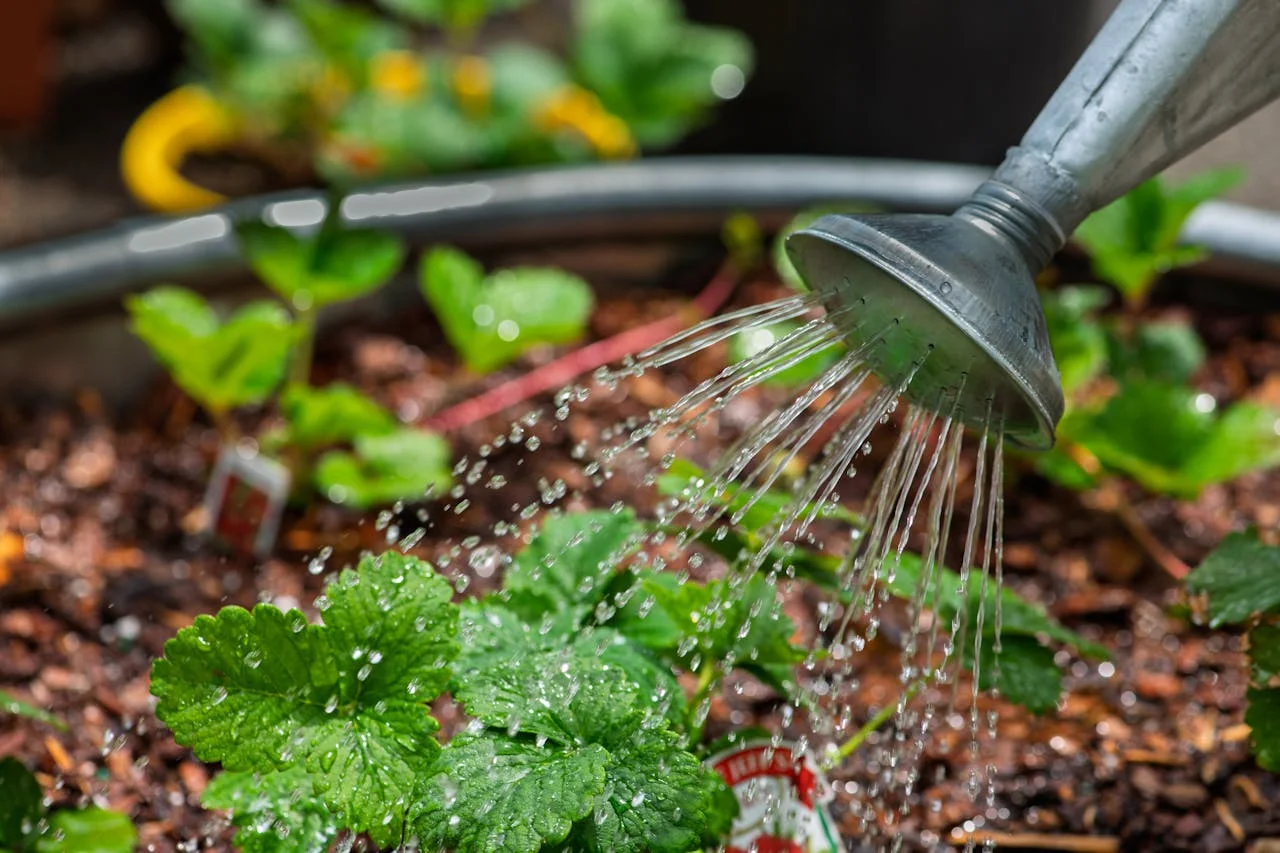
Many Vietnamese farmers are caught in a vicious cycle: the more fertilizer they apply, the harder the soil becomes; input costs rise, yet yields plateau or gradually decline with each harvest. The root cause lies not in the amount of fertilizer, but in the soil’s ability to retain water and nutrients, as well as its pH level. This is precisely when biochar—a soil-improvement solution backed by scientific research—becomes the answer to the challenge of both saving costs and sustainably restoring the soil.
The Current State of Non-Cereal Cropland and the Challenge of Fertilizer Costs for Vietnamese Farmers
Why is farmland becoming increasingly acidic, barren, and unable to retain water?
After many years of continuous cultivation, monoculture, and overuse of chemical fertilizers, the soil’s colloidal structure has been disrupted, and organic matter content has severely declined. The soil has lost its natural ability to retain moisture, making it prone to erosion during the rainy season and to cracking and hardening during the dry season. This situation is particularly severe in the red basalt soils of the Central Highlands, the gray soils of the Southeast, and the acidic soils of the Mekong Delta, where the soil’s inherent lack of structure and susceptibility to acidification further exacerbate the problem.
Fertilizer Loss Due to Runoff: Farmers Are 'Nourishing the Soil' Rather Than 'Nourishing the Crops'
According to numerous agrochemical studies, as many as 40–60% of the nitrogen (N) content Fertilizer applied to the soil is lost through evaporation, leaching, or chemical immobilization before the plants have a chance to absorb it. This means that farmers are spending a large amount of money to “nourish the soil” and the surrounding environment rather than nourishing their own crops.
The Effects of Acidic Soil (Low pH) on the Nutrient Uptake Capacity of Plant Roots
When the soil pH drops below 5.0, elements such as phosphorus (P), calcium (Ca), and magnesium (Mg) become immobilized in insoluble forms, making them unavailable to plant roots even though nutrients are still present in the soil. At the same time, high levels of aluminum (Al³⁺) and manganese (Mn²⁺) toxins cause root toxicity and inhibit growth.
Why is biochar considered a new-generation sustainable soil remediation solution?
Unlike traditional lime, which only temporarily raises the pH, biochar not only raises the pH but also improves soil structure and helps retain nutrients over the long term thanks to its stable carbon structure, which persists in the soil for decades to centuries.
What Is Biochar? The Science Behind Its Soil-Improving Properties
Definition of biochar and the anaerobic pyrolysis process for biochar production
Biochar is a carbon-rich solid product produced through the process of anaerobic pyrolysis (pyrolysis) of agricultural biomass such as rice husks, sawdust, coffee husks, and woody stems at a temperature of 450–600°C under oxygen-deprived conditions. This process helps fix carbon in a stable form, with an index of fixed carbon content exceeds 70%, which is completely different from ordinary charcoal, which is primarily used for burning to generate heat.
Micropore structure—the foundation for water and air retention in soil
Under a microscope, biochar has a honeycomb structure with millions of micrometer-sized pores. Its specific surface area can reach 300–400 m² per gram, creating a system of “micro-reservoirs” that help retain water, air, and nutrient solutions within the soil, reducing the rate of evaporation and deep percolation.
The cation exchange capacity (CEC) mechanism helps biochar retain nutrients
The surface of biochar is negatively charged and has a high cation exchange capacity (CEC), ranging from 20–50 cmol/kg depending on the raw materials and pyrolysis temperature. As a result, cationic nutrients such as NH4+, K+, Ca2+, and Mg2+ are firmly retained within the charcoal structure rather than being leached away by irrigation water or rainwater.
Biochar—the ideal habitat for beneficial soil microorganisms
The porous structure also serves as an ideal habitat, providing protection from drought and natural enemies for beneficial microorganisms such as Trichoderma, nitrogen-fixing bacteria, and mycorrhizal fungi—important biological agents that help plants absorb nutrients more effectively.
Proven Practical Benefits of Biochar in Agriculture
By how many percent does it increase soil moisture retention: Specific data and mechanisms
Field tests have shown that when biochar is blended at a ratio of 5–10% of the soil volume, the soil's water-holding capacity increases from 15–25%, which helps extend the irrigation cycle and is particularly useful in arid regions such as Ninh Thuận and the Central Highlands during the dry season.
Reduce chemical fertilizer use by 20–30% by minimizing nutrient loss
Thanks to the CEC mechanism and the porous structure, farmers can reduce the use of chemical fertilizers by 20–30% In subsequent crop cycles after the soil has been improved with biochar, yields have remained stable or increased slightly.
Raise the pH of acidic soil naturally and sustainably over time
Due to its mildly alkaline nature (the pH of biochar ranges 8.5–10), applying biochar in the appropriate amount helps raise the pH of acidic soil 0.3–1.0 units After 1–2 growing seasons, it remains effective longer than agricultural lime because the charcoal does not dissolve quickly.
Ability to adsorb and immobilize heavy metals and toxins in contaminated soil
Biochar also has the ability to adsorb heavy metal ions such as cadmium, lead, and arsenic, thereby reducing their toxicity and the risk of accumulation in agricultural products—an important benefit for long-term farmland located near industrial zones.
Guide to the Proper Use of Biochar for Different Types of Crops
Step 1: Charge the biochar with nutrients before application—a mandatory technique
Raw biochar has a very strong ability to absorb nutrients; if applied directly, it can cause plants to become temporarily “starved.” Therefore, it is necessary to Soak the charcoal in well-rotted manure, earthworm castings, or diluted NPK fertilizer solution for 7–15 days Before adding it to the soil, this helps the charcoal become "saturated" with nutrients and ready to release them gradually to the plants.
Step 2: How to Mix Biochar with Soil, Manure, and Organic Fertilizer
The ideal mixing ratio is 1 part biochar : 3–4 parts well-rotted manure, mix thoroughly to form a uniform mixture before applying as a base fertilizer or a top-dressing around the base of the plant; avoid direct contact between the charcoal and young roots.
Reference Table of Biochar Application Rates by Soil Type and Crop
| Crop Type | Recommended Dosage | Fertilization Timing |
|---|---|---|
| Vegetables, leafy greens | 0.3–0.5 kg/m² | Apply a base fertilizer before planting |
| Fruit trees (mango, durian, orange) | 2–5 kg per plant | Fertilize at the start of the rainy season, around the root zone |
| Cash crops (coffee, pepper) | 1–3 kg per plant per year | The Beginning and End of the Rainy Season |
| Paddy Rice | 3–5 metric tons per hectare | Before preparing the soil, plow it under |
| Reclaimed Acidic and Saline Soils | 5–8 metric tons per hectare | Early stage of rehabilitation, incorporating lime |
The Optimal Time to Apply Biochar During the Crop Cycle
The best time is at the start of the rainy season or before tilling the soil, when soil moisture is sufficient for the charcoal to effectively absorb water and nutrients starting from the seedling stage.
Serious Mistakes to Avoid When Using Biochar
The mistake of using raw (unactivated) biochar causes the plants to become temporarily "starved" of nutrients
This is the most common mistake that leads many farmers to misjudge the effectiveness of biochar. Always remember this principle: Never apply raw biochar directly but has not yet gone through the nutrient-enrichment process.
Over-fertilization causes a pH imbalance and inhibits root growth
Over-fertilization 10 metric tons per hectare Applying the entire amount at once can cause a sudden increase in soil pH, leading to an imbalance in micronutrients and adversely affecting the root system. It is recommended to divide the application into 2–3 crops rather than applying a large amount all at once.
Failing to check soil pH before applying fertilizer can lead to the opposite of the intended effect
For soil that is already neutral or alkaline (pH > 7), applying high doses of biochar is unnecessary and may be counterproductive. Always measure the soil pH using a quick-test kit or a pH meter before determining the application rate.
Confusing biochar with activated charcoal or ordinary charcoal
Chemically treated activated carbon, which is designed to enhance its ability to adsorb toxic gases, is not suitable for soil remediation and is significantly more expensive. Ordinary charcoal is burned at uncontrolled temperatures, has a poor porous structure, and may contain alkaline ash that can cause a pH shock.
Frequently Asked Questions (FAQ)
Can biochar completely replace chemical fertilizers?
No. Biochar acts as a carrier and nutrient retainer, helping to reduce the amount of fertilizer needed by 20–30 percent; however, it still needs to be combined with organic or inorganic fertilizers to provide sufficient nutrients for the plants.
How long after applying biochar will the soil become loose and crumbly, and will the plants show noticeable growth?
Usually after 2–3 months, the soil begins to become looser and more porous, retaining moisture better. A noticeable increase in crop yield is typically evident starting from the second growing season onward, once the charcoal has become firmly incorporated into the soil structure.
Is biochar suitable for acidic and saline soils in the Mekong Delta?
It is very suitable. Biochar helps raise the pH, adsorb aluminum and iron toxins in acidic soil, and improve the structure of saline soil; it is often combined with agricultural lime to enhance remediation effectiveness.
What is the current price of biochar, and where can I buy it from a reputable source?
The price of biochar varies depending on the raw materials and packaging specifications, typically ranging from a few thousand to a few tens of thousands of dong per kilogram. You should choose a supplier with clearly certified fixed carbon content and pH levels, such as BiocharVN, to ensure the quality of the raw materials.
Summary: Strategies for the Effective and Cost-Efficient Use of Biochar
Three Golden Rules for Using Biochar to Achieve Maximum Effectiveness
- Stay Nourished Charcoal before applying it to the soil.
- Testing Soil pH before determining the appropriate dosage.
- Divide the dose into smaller portions in several applications rather than all at once.
Roadmap for Soil Remediation Using Biochar in the First 3–6 Months
During the first month, focus on applying a base fertilizer combined with organic fertilizer; in the second and third months, monitor soil moisture and pH; and starting in the fourth month, you can gradually reduce the amount of chemical fertilizer according to the recommended ratio presented in the dosage table.
Advice from BiocharVN Experts for Beginning Farmers
For beginners, it is recommended to conduct trials on a small scale before implementing on a large scale, and to select biochar products that meet standards for carbon sequestration and pH to ensure a long-term return on investment. BiocharVN is ready to provide advice on application rates and supply high-quality biochar tailored to specific soil types and crop varieties.