What is biochar? A comprehensive A–Z guide to biochar and practical applications
Did you know that the ancient Amazonian peoples created a miraculous black soil called Terra Preta, which helped cultivated soils retain fertility for thousands of years? The secret lies in a special component: biochar (biological charcoal).
Today, as agriculture faces challenges from climate change, soil degradation, and environmental pollution, biochar is becoming a solution drawing attention worldwide.
This article will help you gain a comprehensive understanding of biochar — from basic concepts and production processes to effective applications in agriculture and environmental protection.
I. What is biochar? Why is biochar gaining global attention?
Definition of biochar (biological charcoal) and historical origins
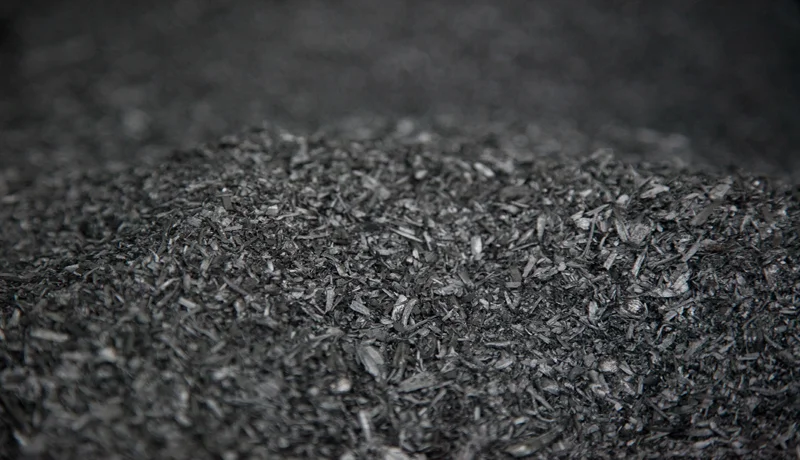
Biochar, also known as biological charcoal, is a char product produced through the process pyrolysis of organic biomass under low-oxygen or oxygen-free conditions.
Unlike regular coal used as fuel, biochar is specifically designed to improve soil and to store carbon in the environment.
The origins of biochar can be traced back thousands of years to the Amazon Basin, where indigenous peoples accidentally or intentionally created Terra Preta — a highly fertile black soil.
Scientists have found that Terra Preta contains large amounts of biochar from biomass burning, helping the soil retain fertility far superior to that of surrounding soils.
The difference between biochar and conventional charcoal
Many people often confuse biochar with regular charcoal. Although both are products of biomass burning, they have important differences:
Biochar:
- Produced under strictly controlled temperature and oxygen conditions
- Has a porous structure with an extremely large surface area (300–500 m²/g)
- Designed to be added to soil to improve growing conditions
- Can persist in soil for hundreds to thousands of years
- Contains few toxic impurities, making it safe for plants
Conventional charcoal:
- Primarily burned for fuel
- Less porous structure, low surface area
- May contain harmful substances such as PAHs (polycyclic aromatic hydrocarbons)
- Decomposes faster when applied to soil
Why is biochar becoming a trend in sustainable agriculture?
In the context of climate change and the growing urgency for sustainable agricultural development, biochar has emerged as a versatile solution.
According to the Food and Agriculture Organization of the United Nations (FAO), biochar can simultaneously address three major issues:
- Improving agricultural productivity
- Reducing greenhouse gas emissions
- Managing agricultural residues
In Vietnam, with millions of tons of agricultural residues such as straw, rice husks, and coffee husks discarded annually, converting them into biochar not only reduces environmental pollution but also produces a high-value economic product.
II. Biochar production process: From feedstock to finished product
Feedstocks for biochar: Which types of biomass are suitable?
Most types of organic biomass can be converted into biochar.
Agricultural residues:
- Rice husks and rice hulls
- Coffee husks
- Straw
- Corn stalks, sugarcane stalks
Forestry residues:
- Sawdust, bark, and branches
- Wood waste
Other organic wastes:
- Livestock and poultry manure (after treatment)
- Bagasse, sludge
Pyrolysis method: Principles and technology types
Pyrolysis is a thermal decomposition process under oxygen-limited conditions (300-700°C), producing:
- Biochar (solid)
- Bio-oil (liquid)
- Syngas (gas)
Types of technologies:
1. Slow pyrolysis:
- 300-500°C
- Several hours to several days
- Biochar yield: 30-40%
2. Fast pyrolysis:
- 450-600°C
- A few seconds to a few minutes
- Biochar yield: 15-25%
3. Intermediate pyrolysis
- A balance between the two methods
Factors affecting biochar quality
Temperature:
- 300-400°C: more functional groups, low pH
- 500-700°C: more porous, higher pH
Duration:
- Short: contains volatile compounds
- Long: more stable
Oxygen:
- Keep below 5% to prevent burning to ash
Small-scale and industrial biochar production processes
Small scale:
- TLUD stove
- 2-5 million VND
- 10-50 kg/day
Industrial scale:
- Continuous automatic kiln
- Several hundred million – several billion VND
- Tons/day
Biochar quality standards
- Carbon ≥ 50%
- H/C < 0.7
- Surface area: 150-500 m²/g
- CEC: 20-80 cmol/kg
- pH: 6.5-9.0
- No heavy metals exceeding allowable limits
III. Properties and composition of biochar
Unique porous structure
- Surface area 300-500 m²/g
- Water retention increased 15-20%
- Reduces nutrient loss by 30-40%
- Creates an environment for microorganisms
Chemical composition
- Carbon: 50-90%
- Oxygen: 5-20%
- Hydrogen: 1-5%
- Nitrogen: 0.1-3%
- Minerals: Ca, K, Mg, P, Si
pH: 7-10 (slightly alkaline)
Stability
- Persistence: 100-1000 years
- Long-term soil improvement
- Stable carbon storage
Cation exchange capacity (CEC)
- 20-80 cmol/kg
- Nutrient retention
- Increases fertilizer efficiency by 20-30%
IV. Benefits of biochar
Improve soil
- Increase aeration
- Reduce compaction
- Prevent erosion
Retain water & nutrients
- Increase water retention 18-25%
- Reduce irrigation 20-30%
- Reduce N losses 30-50%
Reduce greenhouse gases
- 1 ton biochar = 2-3 tons CO₂
- Reduce N₂O, CH₄
- Generate carbon credits
Support microorganisms
- Increase beneficial bacteria 100-500%
- Increase soil enzymes
Increase yields
- +10-30% yield
- Reduce NPK 20-40%
Remediate pollution
- Heavy metal adsorption
- Wastewater treatment
- Livestock odor control
V. Practical applications
In crop cultivation
Dosage:
- 2-10 tons/ha depending on the crop
Application method:
- Spread evenly
- Basal application
- Mix with organic fertilizer
- Soak with microbial inoculant
In livestock farming
- Mix 0.5-2% into feed
- Reduce odor
- Promote growth
Environmental treatment
- Water filtration
- Treatment of contaminated soil
In compost
- 5-10% biochar
- Reduces odor
- Improves fertilizer quality
VI. Instructions for effective use
Dosage
- Start: 2 tons/ha
- Increase gradually
Combine with
- Biochar + organic fertilizer (1:3 – 1:5)
- Microbial inoculants
- Reduce NPK
Mistakes to avoid
- Not combining with organic fertilizer
- Using regular charcoal
- Applying too much
- Not moistening
Storage
- Keep in a dry place
- Avoid chemicals
- No time limit
Cost & effectiveness
- 3,000–8,000 VND/kg
- Payback: 1–3 years
VII. Biochar market in Vietnam
Current status
- 50–100 small facilities
- 10,000–20,000 tons/year
Policy
- Classified as organic fertilizer
- Standards under development
Opportunities
- ROI 20-40%
- Abundant raw material supply
Trends
- Nano biochar
- Modified biochar
- High-tech applications
VIII. Conclusion
Key benefits
✅ Soil improvement
✅ Increased yields
✅ Reduced costs
✅ Environmental protection
✅ Long-term effectiveness
Tips
- Small trials
- Choose quality products
- Combine correctly
- Patience
- Learn
Vision
Biochar could become a pillar of Vietnamese agriculture within the next 10 years.
Call to action
🌱 Try biochar
🌱 Share your experience
🌱 Join the community
🌱 Learn more
Have you used biochar? Share your experience in the comments!